







Search Results for: Roast Profile
Guatemala New Oriente Region SL28 Honey Process Coffee: Guayabo Estate Roast Profile and Flavor Review
SL28, a legendary variety originating from Kenya, has now crossed the Atlantic to take root in the New Oriente region of Guatemala in Central America. Front Street Coffee presents the SL28 honey-processed lot from the Guayabo (Guava Plain) estate, located at 1,675 meters in the Suchitán volcanic area and cultivated under full shade throughout. This article will present the full varietal background of SL28, the terroir characteristics of the New Oriente region, and a comparison of two roasting curves by Front Street roasters tailored to the honey-processed bean quality. Through cupping, it reveals the impact of high-heat fast roasting versus extended development time on flavor, and finally provides pour-over parameters and tasting notes. [more…]
Geisha Coffee Beans: Exploring Flavor Differences Between Light and Medium-Dark Roasts and Optimal Roast Levels
Geisha coffee beans are usually presented as a light roast, but what happens to the flavor if they are roasted darker? Front Street Coffee used Panama Hacienda La Esmeralda Green Label Geisha as a sample and conducted comparative tests using two profiles: light-medium roast and medium-dark roast. Through cupping and pour-over, it analyzed the impact of different roast levels on Geisha flavor from multiple dimensions such as aroma, acidity, sweetness, and mouthfeel. This article not only presents detailed experimental data and sensory descriptions, but also explores why Geisha is more suitable for light roasting and how to preserve its signature floral and fruity aroma during roasting. [more…]
Sidamo Coffee Flavor Characteristics, Taste Profile, Processing Methods, and Grinding Parameters: A Comprehensive Analysis
Sidamo is a highly representative specialty coffee region in Ethiopia, and its flavors display rich variation due to the diversity of its soil, microclimates, and native varieties. This article focuses on Front Street Coffee's selected Sidamo coffee, covering its origin background, cooperative information, flavor description, taste characteristics, differences in processing methods, and roasting and grinding recommendations one by one. The article also sorts out the flavor differences brought by the two processing methods of natural and washed, as well as the respective applicable scenarios of light-medium roast and medium-dark roast, helping coffee enthusiasts gain a more comprehensive understanding of the unique charm of this region. [more…]
How to Choose Several Dark Roast Coffee Beans Suitable for Pour-Over: Cup Profile Changes Brought by Different Roast Levels
The roast level changes a coffee bean's flavor focus and extraction rhythm. Light roasts usually retain more floral and fruity aromas and bright acidity, medium roasts tend to present sweetness and balance, while dark roasts lean toward nutty, cocoa, and full-bodied flavors. None is superior to another; the key is whether it matches how you drink it. Dark roasting shifts the flavor toward cocoa, [more…]
An In-Depth Analysis of Yirgacheffe: Origin, Variety, Processing Methods, and Front Street Coffee's Roast Flavor Profile
Yirgacheffe, with its fresh and bright flavor profile, enjoys extremely high acceptance among Chinese coffee enthusiasts. Starting from Front Street Yirgacheffe coffee beans, this article systematically reviews their flavor description and taste performance, and delves into how origin, variety, processing method, and estate background influence the final flavor in the cup. The article will analyze the true relationship between roast level and the expression of acidity, clarify the taste differences brought by light, medium, and medium-dark roasts, and explain the proportions that coffee growing environment, refinement methods, roasters, and baristas each contribute to flavor formation. Through questions on specific tasting dimensions, it helps readers judge whether the flavor release of Yirgacheffe is complete, and restores its rightful rose, jasmine, and nectar aromas along with a round, citrus- and orange-like acidity. [more…]
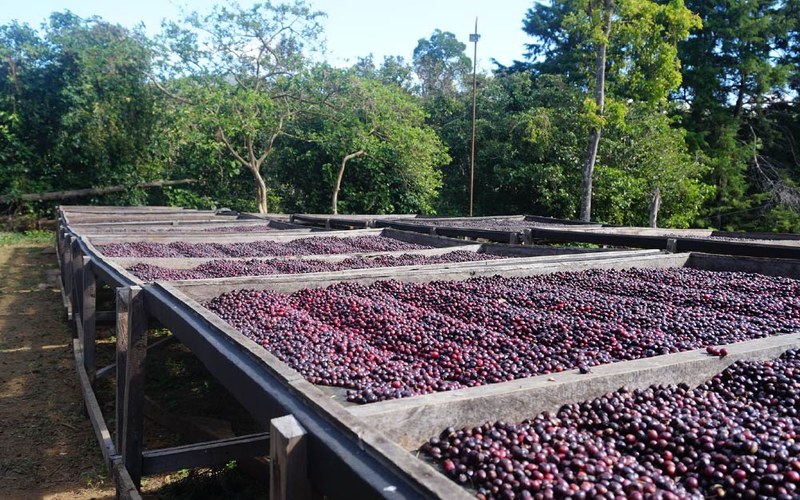
Light, Medium, and Dark Roasts: Cup Profile Differences in Decaf Pour-Over Beans
When selecting decaffeinated coffee beans, you can first judge the flavor direction by the roast level, then confirm the decaf or decaffeinated label on the packaging. The roast level mainly affects aroma, acidity, sweetness, and body, and does not by itself determine caffeine content. To reduce your intake, you should first confirm what process the beans have undergone; to make your brew [more…]
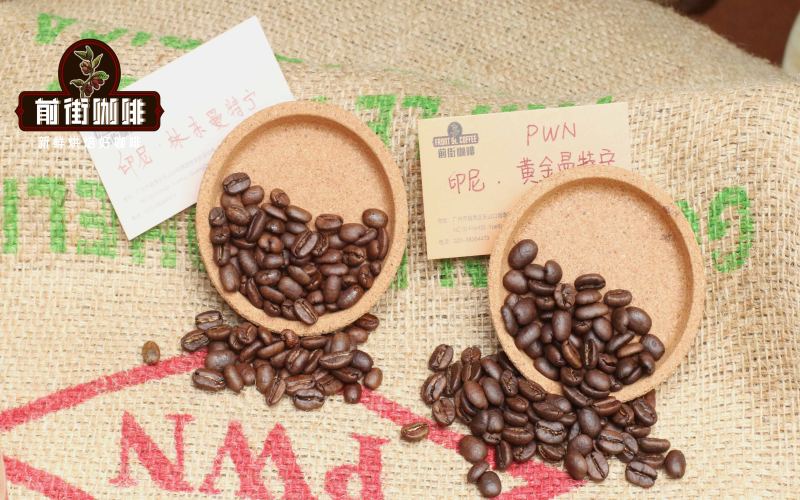
Complete Guide to Indonesian Golden Mandheling: Origin, Variety, Processing Method, Roast Profile, and Pour-Over Parameters
Golden Mandheling is the benchmark of Indonesian Sumatra coffee, produced by PWN (Pwani Coffee Company) and made through machine sorting and multiple rounds of hand-picking. This article begins with the producing regions, variety composition, and the principles of the wet-hulling process, then extends to green bean analysis, roast curve design, and cupping performance, and finally provides complete pour-over brewing parameters and a staged pouring plan. It also introduces specific recommendations from Front Street Coffee for the roasting and brewing of PWN Golden Mandheling, making it suitable reading for coffee enthusiasts who wish to gain a deeper understanding of the source of Mandheling's flavor and practical methods. [more…]
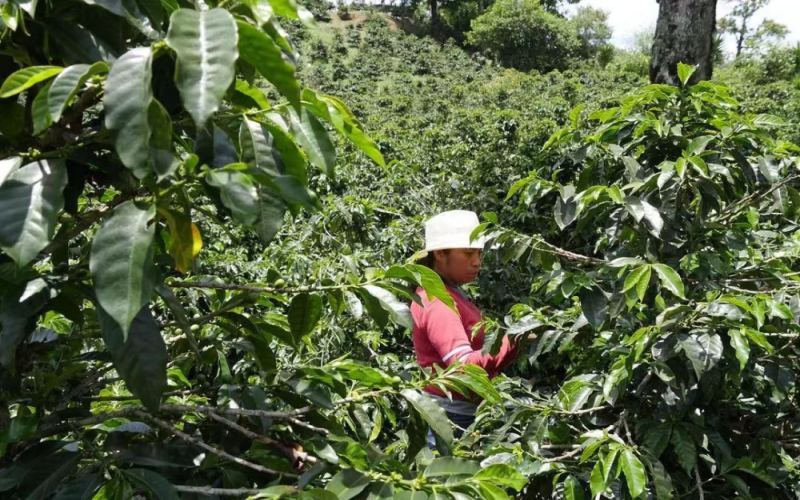
Honduras Cigua SHB Specialty Coffee Beans Flavor Profile and Origin Story: Medium-Dark Roast French Press Brewing Guide
Honduras is located in Central and North America, with a mountainous terrain, and its coffee-growing conditions are no less favorable than those of Guatemala and Nicaragua. Today, it is one of the world's top ten coffee-exporting countries. This article provides a systematic introduction to Honduran coffee as a whole, covering the producing environment, the distribution of six major producing regions, and the washed processing flow, and focuses on sharing the estate background, grade information, and cupping performance of Front Street Honduras Xigua RFA EP coffee beans. At the same time, Front Street Coffee brings the French press brewing parameters and operating suggestions for this bean, helping coffee lovers easily recreate at home a balanced flavor profile with chocolate notes and a lasting caramel sweetness. [more…]
Front Street Wahana Estate Natural Mandheling: Flavor Profile and Brewing Highlights of the Estate Natural Process
Mandheling is a representative variety of Asian coffee, and its unique flavor is inseparable from Indonesia's traditional wet-hulling method. This article focuses on Front Street Coffee's Wahana Estate sun-dried Mandheling, guiding you through the background of this specialty estate in North Sumatra, the distinctive flavor profile of this sun-dried bean, and brewing suggestions for a light roast. From the estate's planting scale to its processing methods, and on to specific brewing parameters, we present this sun-dried Mandheling that overturns traditional impressions in full. [more…]
Front Street Yirgacheffe Flavor Analysis: Citrus Notes, Roast Profile, Processing Method, and Variety Traceability
Yirgacheffe is one of Ethiopia's most iconic specialty coffee regions, and thanks to a millennium of cultivation heritage and meticulous washed processing, it presents a captivating flavor profile woven with lemon, floral notes, and honey. Front Street Coffee's Yirgacheffe, under a light roast, displays a fresh and bright citrus acidity along with a smooth fruity sweetness, with rich layers whether in its dry or wet aroma. This article will systematically outline the core characteristics of this bean from the perspectives of flavor and mouthfeel, roasting curve, varietal origins, and regional composition, helping coffee enthusiasts gain a more comprehensive understanding of its unique charm. [more…]
Comparison of Flavor in Light and Dark Roast Beans in Pour-Over Coffee and an Analysis of Bitterness
This article addresses common questions among pour-over coffee enthusiasts by systematically analyzing how coffee bean roast level—from light-medium to dark—shapes the flavor of the beverage. Front Street Coffee first outlines the American eight-stage roast spectrum and its sensory characteristics, then uses representative in-house bean offerings as examples: the dark-roasted Indonesian Mandheling family (Golden, Lintong, Tiger, Aged) highlights rich spice and herbal notes, while the light-medium-roasted Ethiopian Yirgacheffe series (Gedeb, Natural Red Cherry) showcases bright citrus and berry acidity. The article further provides pour-over recipes for two typical beans, including dripper selection, water temperature, grind size, and extraction techniques, and describes their performance in the cup, helping readers make informed bean choices and brew according to personal taste. [more…]
Ethiopia Guji Region Natural Sidama: In-Depth Analysis of Mormora Farm Coffee Bean Flavor and Roast Profile
Located in the Shakiso Mormora farm in the Guji region of southern Ethiopia, this family-run operation has been cultivating native heirloom coffee at altitudes between 1,850 and 2,000 meters since 2012, using natural processing and graded Grade 1. This bean showcases a red wine aroma with a ripe fruit core, while spice and pepper notes emerge in the mid-to-late palate. This article provides a detailed introduction to the region's background, Mormora farm's cultivation philosophy, and, combined with Front Street Coffee's roasting experience, explores the distinctly different flavor expressions under light and medium-dark roasts—from the plum and berry wine notes of a City Roast to the Belgian dark chocolate and raspberry syrup texture of a Full City—offering coffee enthusiasts a comprehensive roasting and tasting reference. [more…]
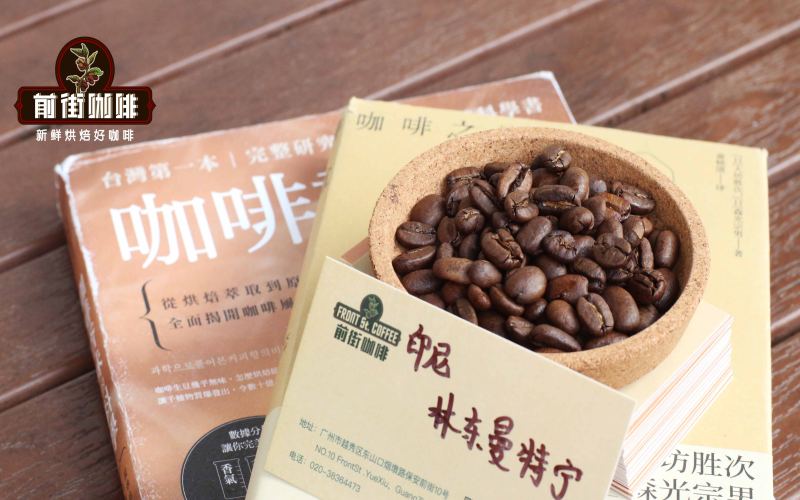
In-Depth Analysis of Indonesian Sumatra Mandheling Coffee Beans: Wet-Hulling Process, Roast Profile, and Brewing Parameters
Mandheling is one of Indonesia's most representative specialty coffees, known for its rich, solid body and its low-acid, agarwood-like flavor. This article focuses on Sumatra Mandheling, introducing its flavor profile, the wet-hulling process, the roasting curve differences between Front Street Coffee's two Mandheling beans (Lintong Mandheling and PWN Golden Mandheling), as well as the drip extraction parameters and brewing techniques for medium-dark roasted Mandheling, helping coffee enthusiasts understand the key stages of this bean from green bean to cup. [more…]
A curated guide to light-roast coffee beans: flavor profile analysis and practical pour-over parameter recommendations
The flavor profile of pour-over coffee is often foreshadowed at the bean selection stage, and the roast level is the most critical part of it. Light-roasted coffee beans, due to shorter roasting time and lighter dehydration, retain more of their original floral and fruity aromas and organic acids, presenting a bright and richly layered cup performance. However, many friends who have just encountered light-roasted beans often have a misunderstanding, thinking that light roast equals sour and hard to swallow. In fact, a high-quality light roast coffee should be in a balanced state of sweetness within the acidity, weak bitterness, and elegant aroma. This article will start from the definition of light-roasted beans, introduce five Front Street light-roasted coffee beans suitable for beginners one by one, and include a complete three-stage pour-over operation process and parameter suggestions to help you more calmly extract the ideal flavor of light-roasted coffee. [more…]
Yirgacheffe Single-Origin SOE Espresso Beans Explained: Flavor Profile, Roast Selection, and Front Street Brand Recommendations
Have you ever seen the term SOE on a café menu but weren't quite sure what it actually means? Why is a shot of espresso, even when it's the same drink, often priced higher when it's an SOE? This article starts with the basic concepts of single-origin coffee and SOE to help you understand what makes single-origin espresso so distinctive. We'll also take a closer look at how the Yirgacheffe Natural Red Cherry bean performs as an SOE and explore how roast level affects the final result. The article also rounds up several Front Street single-origin beans that are well suited to making SOE, along with background on the Front Street Coffee brand and purchasing information—a useful read for coffee lovers who are curious about origin-specific flavors. [more…]

Low-Acid Dark Roast Moka Pot Coffee Beans Recommendation: How Different Roast Levels Change the Cup Profile
The roast level changes the flavor focus and extraction rhythm of coffee beans. Light roasts usually retain more floral and fruity notes and bright acidity, medium roasts tend to present sweetness and balance, while dark roasts lean toward nutty, cocoa, and full-bodied flavors. There is no hierarchy among them; the key is whether they match your brewing method. The moka pot uses steam pressure extraction [more…]
Roast Profile Analysis of Indonesian Mandheling Coffee: Can Dark-Roasted Mandheling Handle Espresso and Americano Production?
Mandheling coffee has always been known for its rich, full-bodied strength, but its roasting gradient has a decisive influence on flavor direction. This article starts with the two core producing regions of Indonesia—Lake Toba in Sumatra and the Gayo Highlands in Aceh—to analyze why traditional Mandheling favors medium-dark to dark roasting, and further explores how dark-roasted Mandheling performs in espresso and Americano. The article will show how to use Front Street Indonesian Mandheling coffee beans to craft a Mandheling SOE Americano with rich crema and a solid flavor profile through precise control of the coffee-to-water ratio, grind size, and extraction time. [more…]
Nutty Chocolate-Flavored Coffee: Roast Level Determines the Taste Profile
Flavors like nuts, cocoa, and caramel often bring to mind a round, sweet, and smooth cup of coffee. However, even when chocolate notes are listed, light, medium, and dark roasts deliver quite different experiences in the cup. Whether you want a crisp cocoa note, a soft nutty sweetness, or an intense dark chocolate flavor, the key is to first look at the roast level, then [more…]
A Curated Selection of Dark Roast Coffee Beans: A Comprehensive Analysis of Pour-Over Suitability, Parameter Settings, and Flavor Profile
Can dark-roasted coffee beans be used for pour-over? The answer is yes, but it requires a brewing approach completely different from that for medium-light roasts. Starting from the concept of body, this article sorts out the flavor differences among light, medium, and dark roast levels, and recommends popular dark-roast single origins such as Front Street PWN Golden Mandheling, Queen's Estate, Jamaica Blue Mountain No. 1, and Huilan. Then, focusing on four dimensions—coffee-to-water ratio, brewing time, dripper selection, and pouring technique—it breaks down one by one the parameter adjustment methods for pour-over with dark-roasted beans: how to avoid a thin mouthfeel, prevent under-extraction, choose a KONO dripper to extend immersion, reduce water flow washing against the cup wall, and other practical tips to help you consistently brew rich, full-bodied dark-roast coffee. [more…]
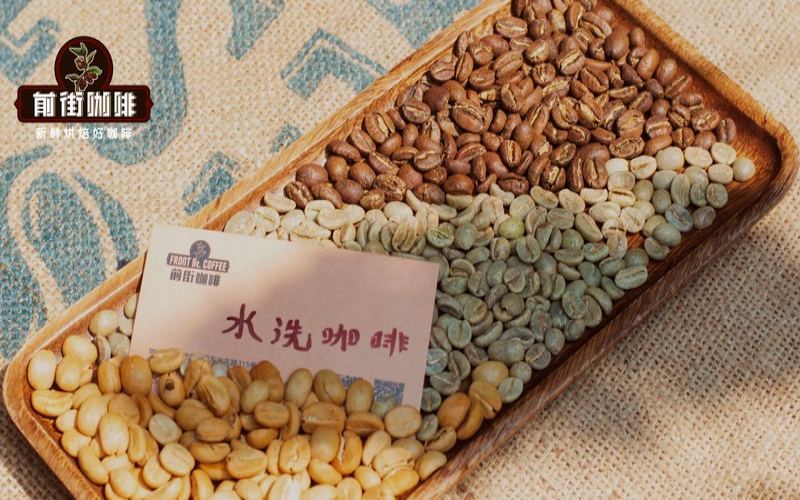
Sun-Dried Coffee Bean Recommendations: Exploring the Cup Profile from Light to Dark Roasts
Sun-dried processing allows coffee beans to retain a vivid fruity character, but the roast level rearranges the order in which these flavors appear. Light roasts make it easier to taste floral notes, fruity acidity, and a clean, transparent texture; medium roasts push sweetness and roundness to the forefront; dark roasts bring a fuller body and roasted aromas. When buying beans, first check the roast level indicated, then imagine [more…]